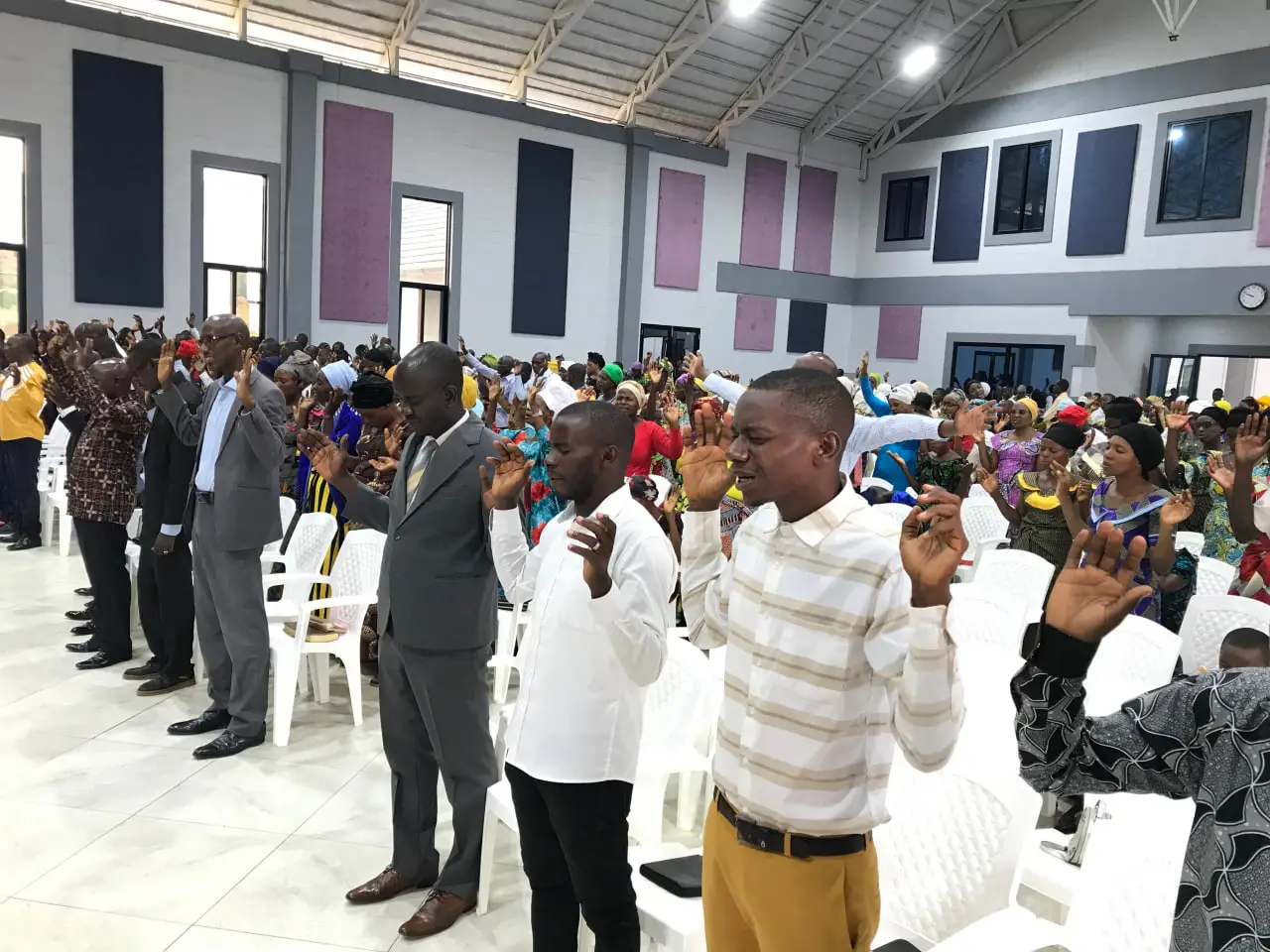
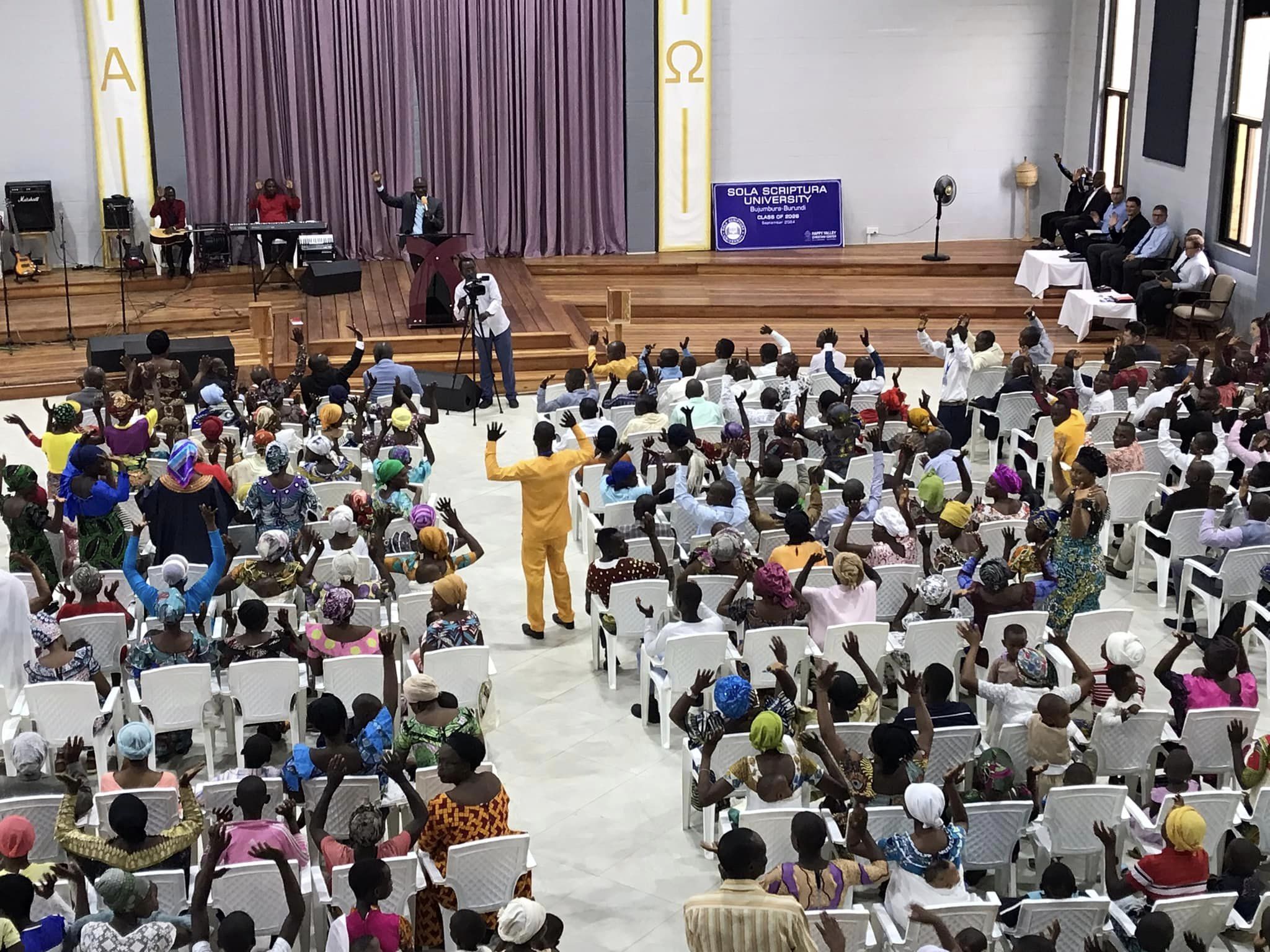
Legal Representative, ANICET NIYONGABO preaching at Ruziba
The Happy Valley Pentecostal Church of Burundi, Ruziba Branch, serves as a cornerstone in the spiritual and social life of the Ruziba community and its surrounding areas. This church not only offers a place of worship and spiritual growth but also actively engages with local residents through various outreach programs and initiatives. The church’s role extends beyond religious services, as it provides educational support, health awareness campaigns, and social services that benefit people of all ages and backgrounds. Through its inclusive and compassionate approach, the Happy Valley Pentecostal Church continues to strengthen the bonds between neighbors, promote unity, and encourage personal and collective development within the region.
Theological Role:
Theology of the Holy Spirit: As part of the broader Pentecostal movement, the Ruziba branch likely emphasizes a deep personal relationship with the Holy Spirit. The theology surrounding the gifts of the Spirit, including speaking in tongues, prophecy, and healing, would shape how the church functions in daily life.
Community Transformation: A key aspect of Pentecostal theology is the belief that the church has the power to transform lives both individually and collectively. This belief might manifest in evangelistic efforts, empowerment programs, and partnerships with local organizations to bring about social change, particularly in areas of poverty or injustice.
- Community Outreach: The church could also be involved in outreach programs aimed at sharing the gospel and extending spiritual support to individuals outside the congregation, especially in underserved or marginalized areas. The message of hope, healing, and empowerment would resonate strongly within such initiatives.
Support Networks: The church could serve as a vital social support network. Whether it’s for individuals facing personal challenges, families in need, or people going through a crisis, the congregation might offer emotional, spiritual, and even financial support. Social events like potlucks, fellowship gatherings, and communal activities could foster a sense of belonging and togetherness.
Youth and Children’s Programs: Pentecostal churches often place significant emphasis on discipling the younger generation. The church may have youth ministries that offer young people opportunities for leadership, community service, and spiritual development. Children’s programs would introduce young ones to biblical stories and Christian values in an engaging and age-appropriate way.
Spiritual Impact:
Worship Services: As a Pentecostal church, worship likely plays a central role, including vibrant and passionate gatherings marked by contemporary worship music, prayer, and a focus on the gifts of the Holy Spirit. These services would provide the congregation with spiritual nourishment, encourage personal transformation, and deepen their faith in God.
Bible Study & Teaching: In a Pentecostal context, the church would likely offer Bible study groups and teaching sessions that help believers grow in their understanding of scripture. Emphasis on direct experiences of the Holy Spirit and the practical application of Christian principles in everyday life would be key components of the church’s educational ministry.
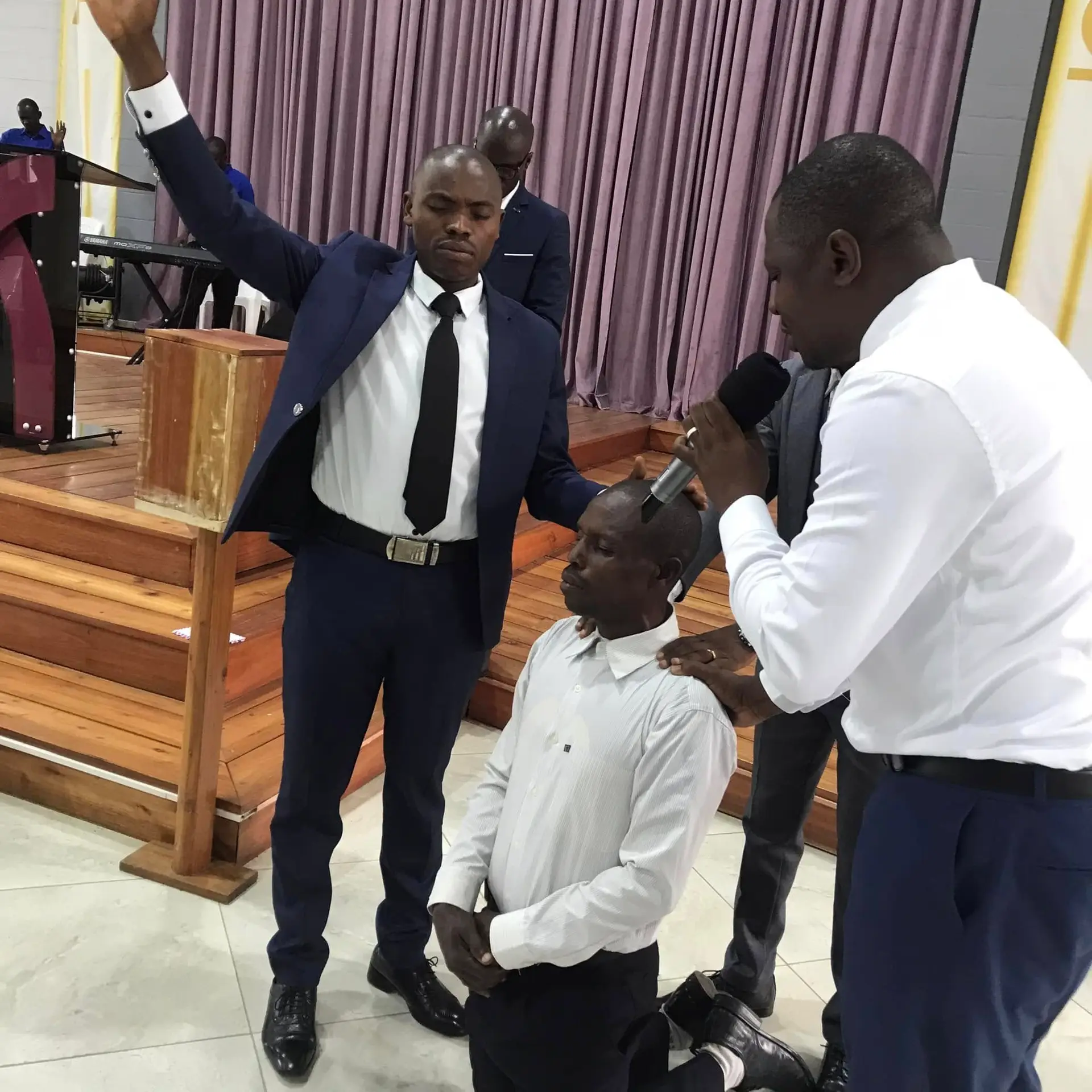
Prayer and Healing: Pentecostalism emphasizes the power of prayer, including intercession and healing. The church might regularly hold prayer meetings for individuals to experience physical and emotional healing or for the community to pray together for local, national, and global concerns.